
A Bowl, a Spoon, and a Story from Portugal
How Portuguese olive wood brings beauty, sustainability, and everyday ritual into the kitchen.

Some sponsorships arrive with a checklist. This one arrived with a story.
This post was created in collaboration with Portuguese Treasures, and I received complimentary product samples. As always, all thoughts and experiences are my own.
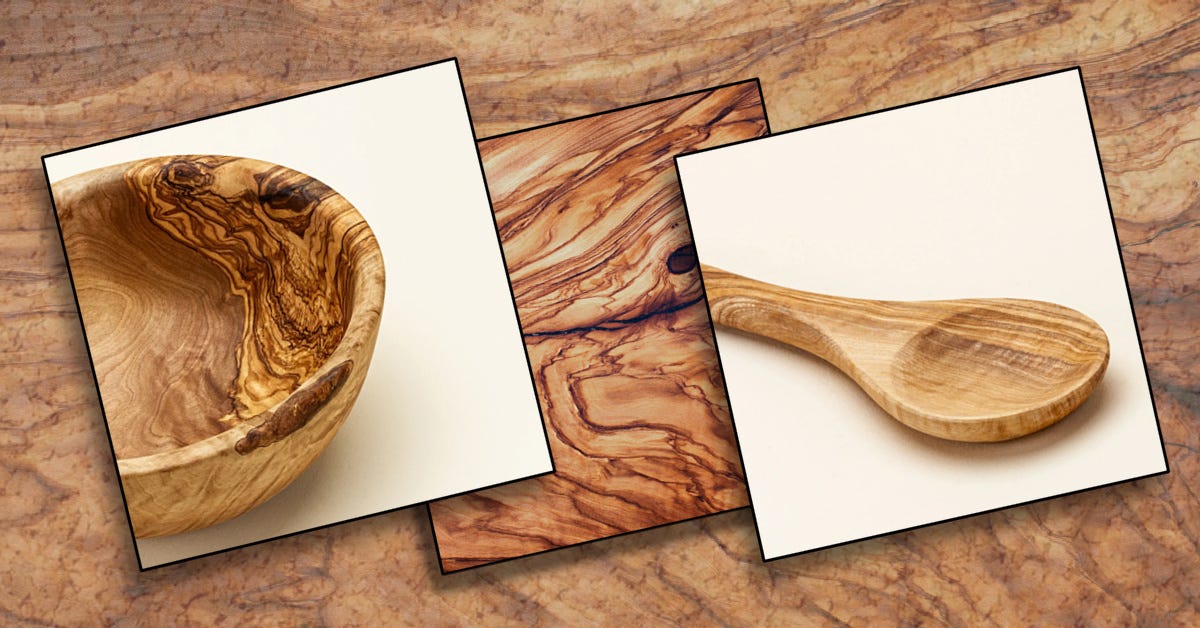
When a package from Portuguese Treasures showed up at my door, it contained just two items: a hand-carved olive wood bowl and a matching serving spoon. Simple. Unassuming. Yet from the moment I lifted them from the box, they felt less like products and more like pieces with a history of their own—perhaps resting on a farmhouse table, in a sunlit kitchen, or beside a bowl of freshly picked Algarve oranges.
These weren’t objects asking to be admired.
They were asking to be used.
The Beauty of Portuguese Olive Wood
The first thing you notice about olive wood is its character. The grain isn’t subtle. It moves and swirls in warm tones of honey, amber, and deep caramel. No two pieces are ever the same, because no two olive trees grow the same way.


The bowl immediately earned a place on our counter. Filled with fruit, it felt grounded, sturdy, and warm. Filled with a simple salad it took on a rustic elegance. Empty, it was just as striking. The serving spoon, smooth and perfectly weighted, felt instinctively right in my hand, balanced in a way that only comes from thoughtful craftsmanship.
Olive wood doesn’t try to be perfect. Its beauty lies in its individuality.
From Grove to Table: Where This Wood Comes From
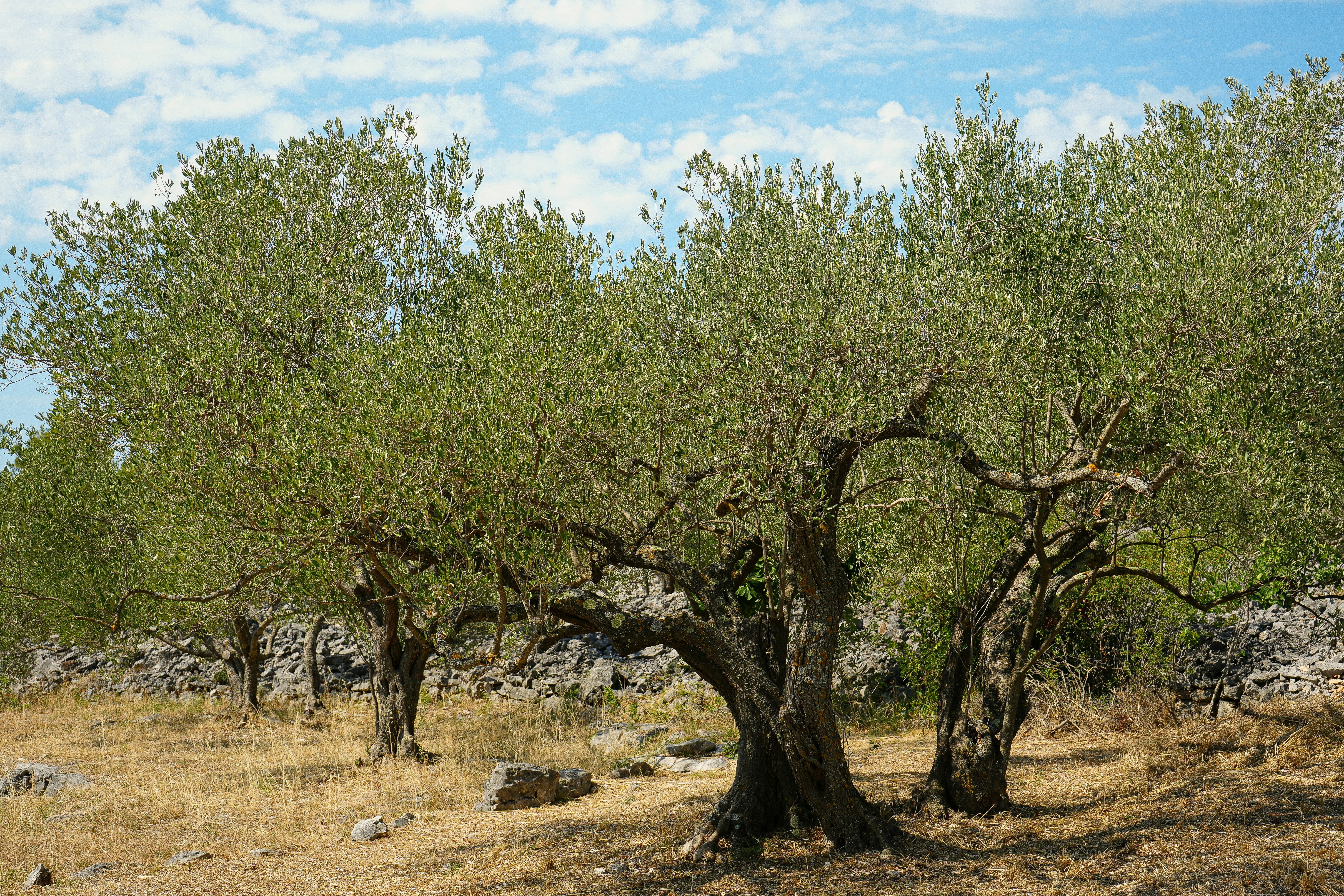
Portuguese olive wood carries centuries of agricultural tradition. Across regions like Alentejo, Trás-os-Montes, and the Douro, olive trees are pruned regularly and cared for over generations. When a tree reaches the end of its productive life, its wood is not wasted.
Instead:
No forests are cut down solely for olive wood.
Artisans use pruned branches or older, non-productive trees.
Each piece is a by-product of olive cultivation, not deforestation.
This makes olive wood inherently sustainable, not because it’s trendy, but because it has always been practical.
Why Olive Wood Works So Well in the Kitchen
Olive wood is exceptionally dense and durable, which makes it ideal for everyday kitchen use.
The bowl works perfectly for fruit, small salads (to serve 2-3 people), bread, or shared dishes (22 cm in diameter). It is strong enough to handle daily use, and it is naturally resistant to absorbing odors. Dinner guests admired the bowl when I filled it with a variety of Portuguese bread.
The serving spoon is excellent for tossing salads directly in the bowl, it is gentle on cookware, and it’s heat-resistant and comfortable to hold. I have other olive wood spoons, but this one has a nice, long handle (35 cm long) and is solid without being too heavy.
Both pieces are made to move easily from kitchen to table. Functional, not fragile.
Naturally Antibacterial (Without the Fuss)
One of olive wood’s most reassuring qualities is something you can’t see. The natural oils in olive wood help inhibit bacterial growth, reducing the ability of bacteria to penetrate the wood’s surface.
It’s one of those benefits that quietly supports daily life without needing any special coating or treatments.
Living With Olive Wood: Care and Use
Olive wood is refreshingly low maintenance:
Hand wash with mild soap
Dry immediately
Occasionally condition with food-safe oil (I use extra-virgin Portuguese olive oil)
Over time, the wood deepens in color and becomes even more beautiful. Small marks don’t detract; they tell the story of meals prepared and shared.
This is kitchenware that improves with use.
Portuguese Treasures – A Family Business
Founded in 2011 by Portuguese national Bruno Figueira, this family-run business grew from a genuine desire to share Portugal’s traditional, sustainable, and eco-conscious home products with a wider audience. The company partners with a carefully curated network of Portuguese suppliers, chosen as much for their values as for their craftsmanship.
Sustainability is not an afterthought, it’s central to every decision. Before any product is selected, Bruno and his team personally visit supplier workshops and facilities to ensure materials are responsibly sourced and production practices align with their standards.
Some suppliers are small, family-run workshops; others are larger, well-established enterprises. What they all share is a commitment to quality and tradition. Every product is made in Portugal, supporting local artisans and helping preserve the country’s rich heritage of craftsmanship.
When Everyday Objects Carry a Sense of Place
The olive wood bowl and serving spoon from Portuguese Treasures didn’t arrive as décor. They arrived as companions; objects meant to be woven into daily rituals.
In a world filled with disposable things, olive wood reminds us that some of the most meaningful pieces are the ones we reach for time and again. They carry the story of the land, the tree, and the hands that shaped them, and then quietly become part of our own.
Sometimes, a bowl and a spoon are all you need to tell the story of Portugal.
Explore More
If you’d like to learn more or bring a piece of Portugal into your own home, visit the Portuguese Treasures Ltd. website to explore their carefully curated collection of high-quality Portuguese products. Whether you’re shopping for home décor or thoughtful gifts, they ship worldwide, and Bruno and his team are known for being exceptionally responsive to customer inquiries. English and Portuguese are both spoken, making the experience easy and welcoming from anywhere in the world.
Read about Portugal’s Cork Industry and how Portuguese Treasures shares their passion for traditional, sustainable Portuguese products.

Until next time…
Obrigada!
Carol.
“The first thing you notice about olive wood is its character. The grain isn’t subtle. It moves and swirls in warm tones of honey, amber, and deep caramel. No two pieces are ever the same, because no two olive trees grow the same way.”
It feels almost like meeting a person rather than an object. The wood carries the memory of how it grew—time, weather, resilience—each piece quietly insisting on its own story.
So beautiful