
Driving Portugal’s N222: The Road That Became a Legend
A Journey Through Curves, Vineyards, and the Soul of the Douro Valley.

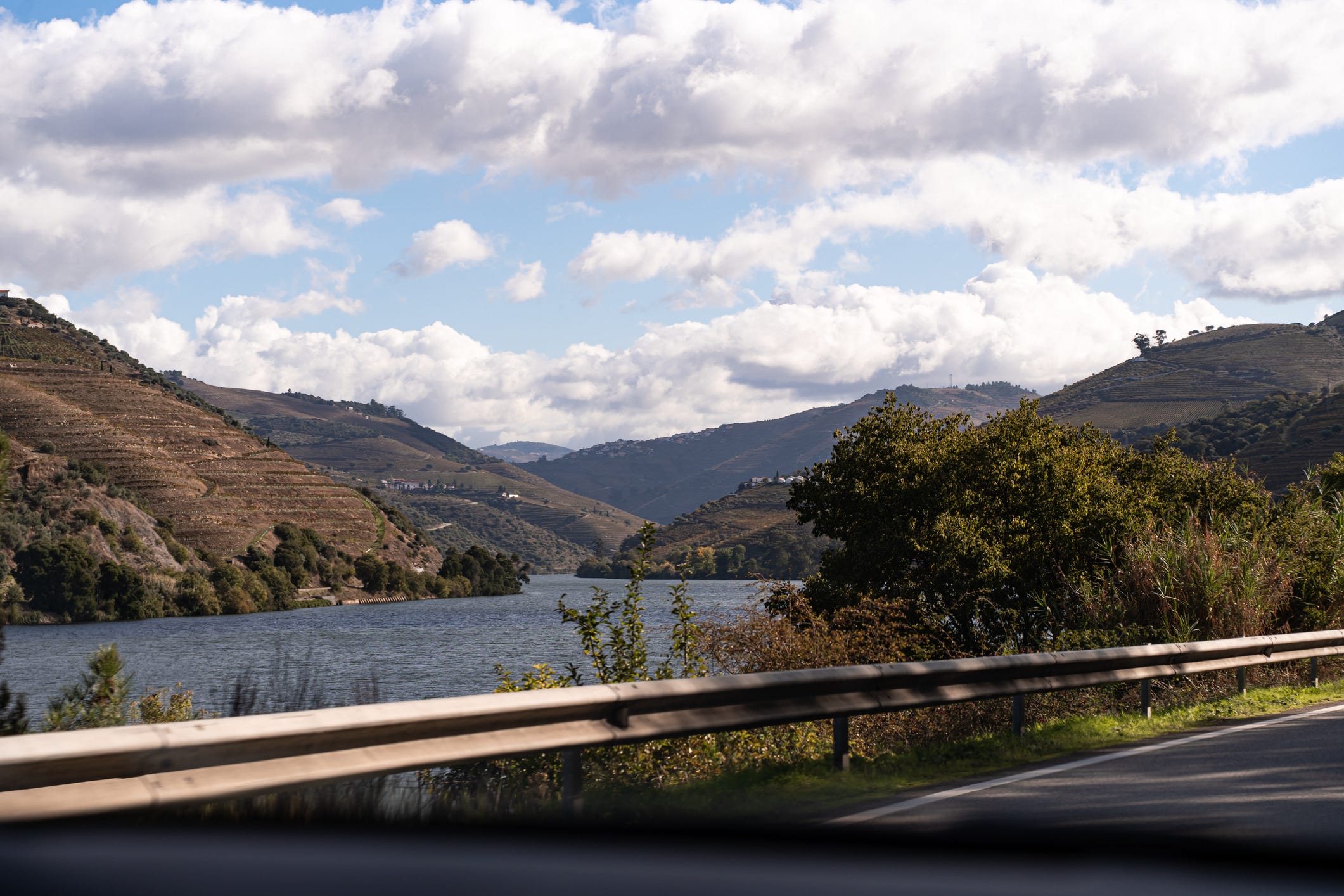
Some roads are just roads. Others become part of the story you tell long after the journey ends. Portugal’s N222, the winding ribbon that follows the Douro River from Vila Nova de Gaia to Almendra, is one of those rare roads that captures not just where you’re going, but why you travel at all.
Paul and I had heard travelers describe the N222 as "the most beautiful road in the world." When we finally drove a small stretch of its terraced hillsides and sweeping curves, we understood exactly what they meant.
A Road Designed for Pleasure.
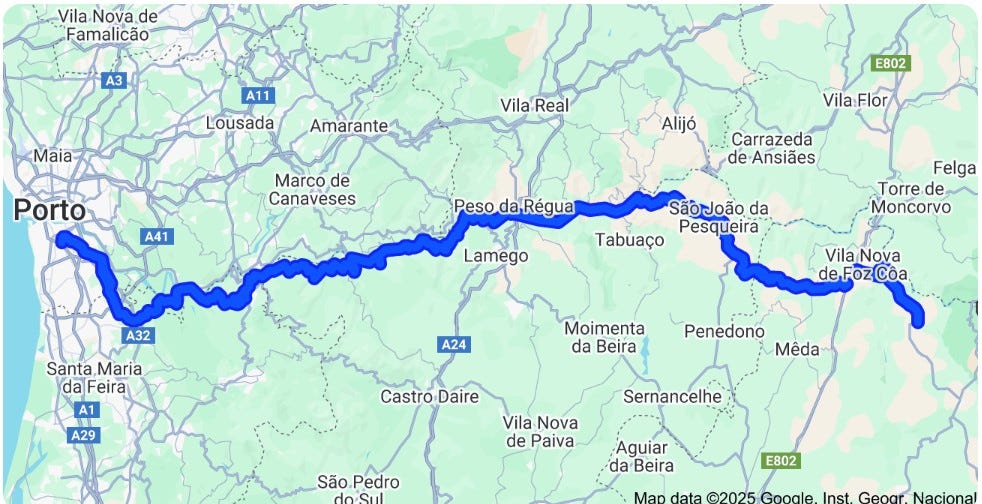
The N222 stretches about 227 kilometers, hugging the left bank of the Douro River through Portugal’s oldest wine region. It begins in Vila Nova de Gaia, near Porto’s Port wine cellars, and winds eastward through vineyard-draped valleys and stone villages until it reaches Almendra, near Vila Nova de Foz Côa on the border with Spain.
It’s not just a drive; it’s a cinematic experience. Every turn opens to another postcard view: the silver ribbon of the Douro below, the sun glinting on slate terraces, and the whitewashed villages clinging to the hillsides.
The World’s Best Driving Road.
In 2014, the international car rental company Avis used a mathematical formula called the Avis Driving Ratio (ADR) which measures the perfect balance between bends and straight stretches to analyze routes around the world.
The 27-kilometer section between Peso da Régua and Pinhão achieved an ADR of 11.3:1, higher than the ideal 10:1. Avis officially named it the World’s Best Driving Road.
Along the Way.
The N222 carries travelers through the Alto Douro Wine Region, a UNESCO World Heritage Site where grapes have been cultivated for over 2,000 years. Every bend tells that story, from hand-carved terraces to family-owned estates that dot the hillsides.
If you do the entire drive, you’ll pass Peso da Régua, home to the Museu do Douro, which tells the tale of winemaking along this river. Continue to Pinhão, whose charming train station is famous for its azulejo tiles depicting grape harvest scenes. Further east lies São João da Pesqueira, one of the oldest wine towns in Portugal.
We had a bit of trouble finding this road when we left Peso da Régua for Pinhão, but we did a little backtracking and finally found the sign for the N222. Although we didn’t drive the entire route this time, it’s something we plan on during a future Douro road trip.
Here’s a short video of our N222 travels:
Wine, Taste, and Pause.
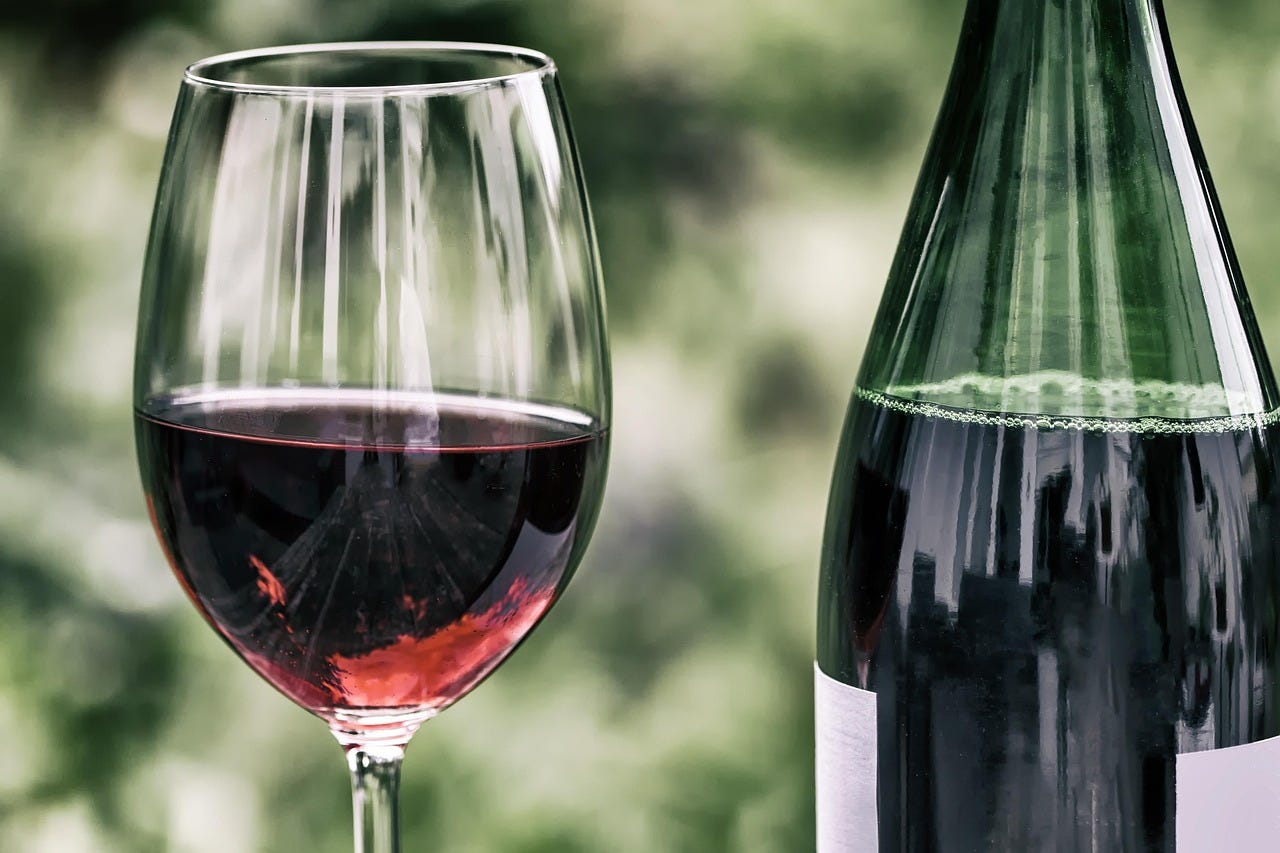
No trip along the N222 is complete without a few wine stops, or simply sitting with a glass as the late-day light turns the vineyards gold.
Here are some notable wineries and tasting rooms accessible along or near the N222:
Quinta do Vallado (Régua) – Historic estate with a boutique wine hotel.
Quinta dos Frades (near Pinhão) – Vineyard tours and guided tastings right on the N222.
Quinta das Carvalhas (São João da Pesqueira) – Offers the best panoramic views in the valley.
Quinta do Tedo (Douro Valley) – Known for Port, red wines, and olive oil tastings.
Don’t Miss:
São Leonardo de Galafura Viewpoint – A sweeping panorama celebrated by poet Miguel Torga.
Côa Museum – Linking the Douro’s wine heritage with prehistoric rock art.
If You Visit:
Best Time to Go: Late Spring (May–June) or harvest season (September–October).
Driving Tips: Take it slow as many of the curves are tight. Stop often at miradouros (viewpoints). During our drive, there was little traffic, although some drivers were obviously in a great hurry.
Tasting Tips: Reserve winery visits in advance; some operate by appointment only. Consider hiring a driver to take you if you’re planning on indulging in wine tastings.
Accessibility: Roads are paved and well maintained, though parking can be limited.
Combine With: A Douro River cruise from Pinhão for another perspective of the valley.
This excellent resource offers a complete guide and itinerary for the N222
Why the N222 Belongs on Your Portugal Journey.
Driving the N222 feels less like transportation and more like transformation. It’s where the pace of modern life slows, replaced by the rhythm of the river and the hum of tires on sun-warmed asphalt.
It’s where you pause not just for photos, but for perspective on why people have lived, worked, and loved this valley for centuries.
And when you reach that last sweeping curve, somewhere between the vineyards and the river, you may realize that some journeys don’t end when you stop the car.
Thanks for being on this Journey with me.
Thank you for reading Our Portugal Journey. This publication is free and open to everyone, and it exists thanks to the support of readers like you.
If this work resonates with you, you’re warmly invited to subscribe - or, if you’d like, to support it as a paid subscriber and help keep it independent.
You can also buy me a coffee (or a glass of wine) anytime right here.
However you choose to support this work, I’m truly grateful you’re here.
Until next time…
Obrigada!
Carol