
Beyond "Cheap": Rethinking Life in Portugal
Moving beyond the myth of “living like a king” toward a quieter understanding of everyday life in Portugal.

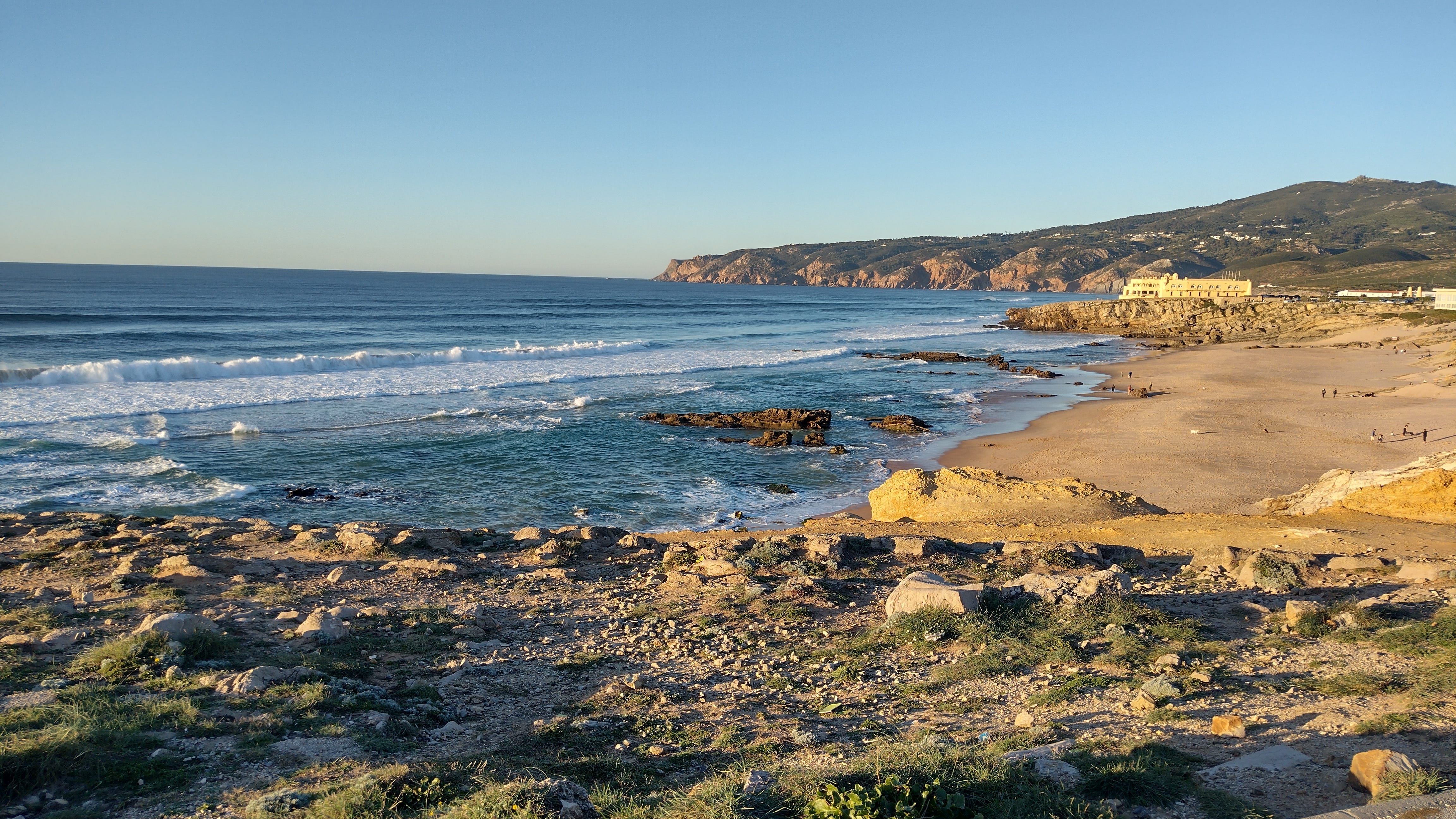
There’s a phrase I still hear from time to time, sometimes from travelers planning their first visit to Portugal, sometimes from readers beginning to dream about a life abroad, and often from Portuguese American families whose memories stretch back decades:
“You can live like a king in Portugal.”
It’s a sentiment rooted in history. For generations, many Portuguese emigrated in search of broader opportunities and higher wages abroad, particularly in some parts of the United States. Even today, young Portuguese adults often leave to build careers elsewhere, drawn by the promise of income and stability that can feel harder to achieve at home. When some eventually return, or purchase a second home here, the contrast in purchasing power can make life in Portugal feel unexpectedly comfortable.
A few years ago, I explored that idea more directly in my essay “Live Like a King in Portugal.” Since then, both Portugal and my own perspective have continued to evolve. Today, I find myself thinking less about whether Portugal is “cheap” and more about what it actually means to live well here and how easily a single word can obscure the deeper reality of daily life.
A Memory of Affordability - and Its Limits
There is truth behind the perception. Compared to certain parts of North America or Northern Europe, aspects of daily life in Portugal can still feel accessible: a morning coffee at a neighborhood café, fresh produce from a local market, or the slower rhythm of a place where time seems to stretch.
But affordability is always relative. For many Portuguese families, whose wages remain modest compared to other European countries, rising housing costs and taxation make everyday life a careful balancing act. In some areas, increased demand driven by tourism and international interest has added additional pressure to housing and local economies. What feels inexpensive to someone arriving with foreign income may feel very different to someone whose livelihood is rooted here.
Understanding that contrast requires holding two truths at once: Portugal has long been perceived as more affordable from the outside, while for many who live here, it has never felt easy.
The Weight of Words
One afternoon not long ago, Paul and I found ourselves in a neighborhood market, waiting at the meat counter. A visitor from abroad was enthusiastically ordering specialty cuts for a barbecue, commenting openly and loudly to his spouse about how inexpensive everything felt compared to home. The clerks behind the counter remained gracious as they always do, but the moment carried a subtle tension that was impossible to ignore.
It wasn’t the purchase itself that felt uncomfortable; it was the tone. Words that sound celebratory in one context can feel dismissive in another, especially in a country where many people are navigating rising costs and economic uncertainty.
Over time, I’ve come to see how easily the word “cheap” can create distance rather than connection. Portugal’s generosity and beauty are real but describing them through comparison alone can unintentionally overlook the experiences of those who live here every day.
A Different Kind of Abundance
If Portugal doesn’t offer a universal version of luxury, it does offer something else: a different rhythm of living.
Life here often unfolds in smaller, quieter ways. Conversations linger. Meals stretch longer. Public spaces invite people to slow down rather than rush through. Many of the moments that feel richest aren’t tied to spending more, but to noticing more - the sound of waves through open windows, the hum of voices in a praça, the simple comfort of familiarity with a neighborhood café owner who remembers your order.
These are not luxuries in the traditional sense, but they are forms of abundance that reshape how daily life feels.
Beyond the Idea of Royalty
Perhaps the real shift is understanding that Portugal doesn’t promise a life of extravagance, but rather invites a different relationship with time, place, and expectation.
For some, returning here after years abroad may indeed feel like a form of prosperity, shaped by the contrast between economies. For others, especially those building their lives locally, the experience is far more complex. Both realities can exist at once and acknowledging that complexity allows us to see Portugal more clearly.
As more people discover Portugal, the question may not be whether it remains “cheap,” but how both visitors and residents can engage with it thoughtfully as it continues to evolve.
Living well here, I’ve come to believe, has less to do with status and more to do with intention - with the rhythms that anchor your days and the quieter ways a place reshapes how you move through the world.
A Quieter Kind of Richness
Travel, and especially living abroad, has a way of reshaping our assumptions. What begins as a search for affordability often becomes something quieter and more enduring: a shift in how we measure comfort, connection, and what it means to feel at home in a place that isn’t originally our own.
If the idea of “living like a king” first drew your attention to Portugal, you may discover that the real richness here is far less performative. It lives in everyday rituals, in the cadence of conversation, and in the understanding that to live well in another country is not simply to spend differently, but to see differently, with curiosity, humility, and respect.
Thanks for being on this Journey with me.
Thank you for reading Our Portugal Journey. This publication is free and open to everyone, and it exists thanks to the support of readers like you.
If this work resonates with you, you’re warmly invited to subscribe - or, if you’d like, to support it as a paid subscriber and help keep it independent.
You can also buy me a coffee (or a glass of wine) anytime right here.
However you choose to support this work, I’m truly grateful you’re here.
Until next time…
Obrigada!
Carol.
Well said, the comments too.
One of the first things I tell people who ask, is that Portugal is not “cheap”. We are fortunate to be able to live here as guests of this country. Some costs are lower, the quality of life is certainly better (than in the US), and we owe the Portuguese people gratitude and respect for that.
I abhor the word "cheap" to describe the way of life here. It is not cheap to a lot of Portuguese and it is insensitive to exclaim it loudly.