
Margaval Vinhos: The Wine Cellar from the Drawer
How one grandfather's love of winemaking became a family winery near Tomar.

Sometimes the best travel experiences are the ones we never plan. This is one such story.
After spending a few days exploring Tomar, I noticed a brochure in our hotel lobby for a small family winery on the rural outskirts of the city. Across the top were the words Margaval Vinhos. Below them appeared Adega da Gaveta. Neither Paul nor I knew much about the Tejo wine region, and visiting a winery hadn’t been part of our plans. But it seemed like it could make an interesting side trip before heading home the following afternoon.
That evening, I submitted a request through the winery’s online reservation form asking whether a one-hour tasting might be possible the next day. It was short notice, and I really wasn’t expecting a reply. But less than an hour later, my phone buzzed with a WhatsApp message confirming our visit.
We were in.
The next afternoon Waze led us out of Tomar’s city center and onto smaller, winding country roads. Before long we were driving through farmland, passing a few abandoned stone dwellings, and eventually arriving in a small village where a whitewashed building with two large wooden doors stood beside the road.
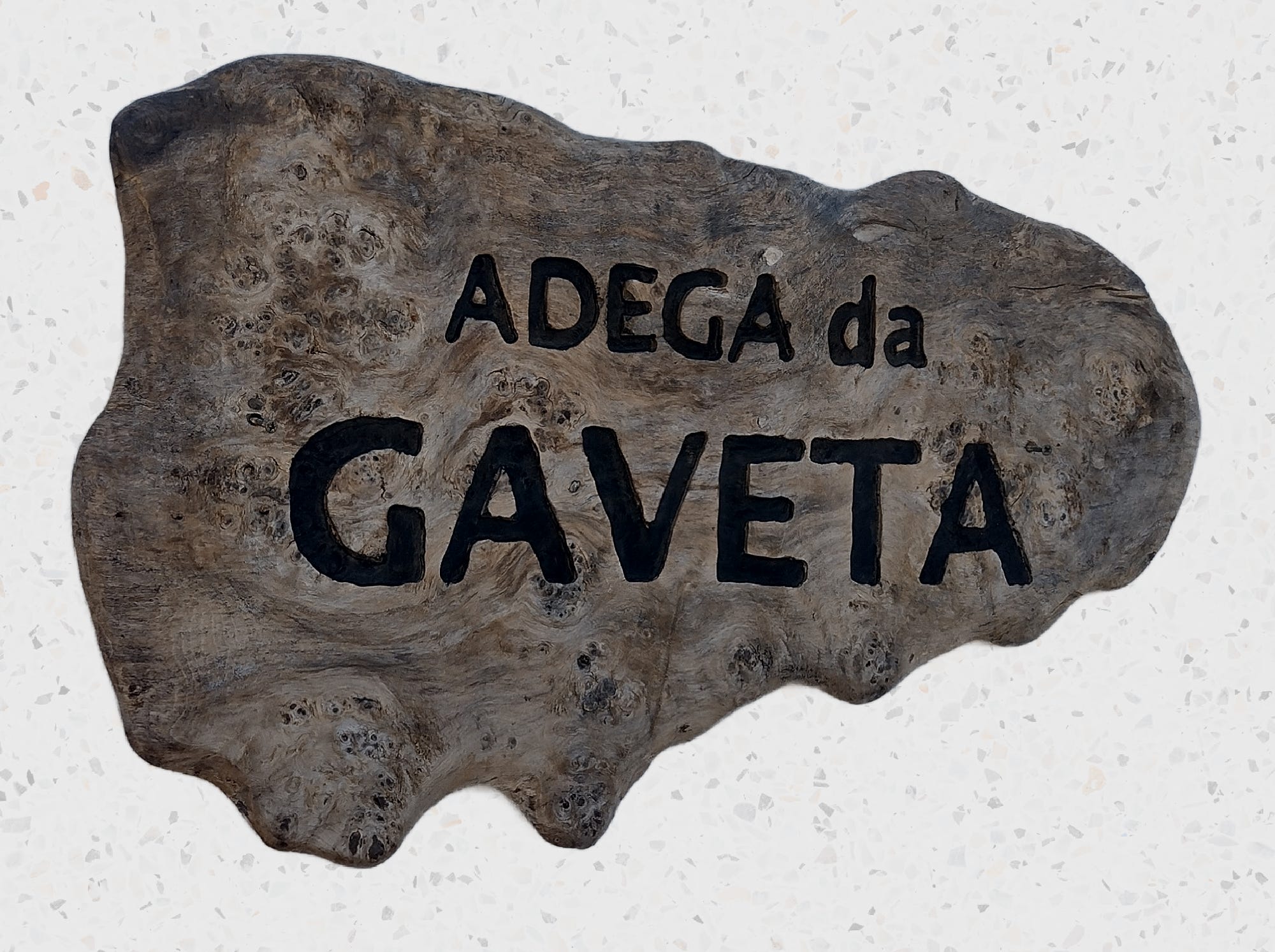
A modest sign next to the entrance read, Adega da Gaveta which Margaval translates into English as “Wine Cellar from the Drawer.” Until then, I hadn’t given the name much thought, but I found myself wondering: Why would someone name a winery after a drawer?
Because we were a few minutes early, we waited across the street in the car. At the appointed time we crossed over and knocked on the doors. When no one answered and the doors remained locked, I remember looking at Paul and wondering if we had the right place. Then suddenly, the doors opened and we were greeted by a smiling young woman named Maria.
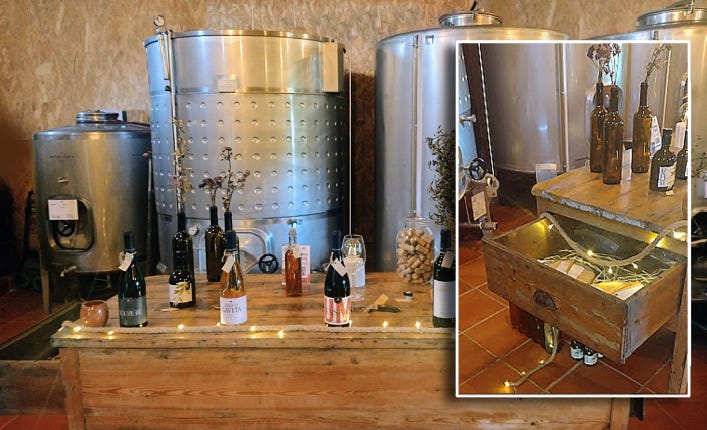
Inside, the rustic room immediately surprised us. It was clearly a working winery. Stainless steel tanks lined the walls, while bottles, labels, boxes, and an assortment of winemaking equipment shared the space with farmhouse-style furniture, soft lighting and music playing quietly in the background. It was evident that someone had taken the time to make the room welcoming without disguising the fact that this was where the wines were produced.


As Paul and I were taking in the room, Maria immediately said, with just enough concern for me to notice, “This is a very small winery.”
Simultaneously, Paul and I replied that this was perfectly fine because we preferred visiting smaller wineries and producers. I could almost see her relax. From that point on, our visit became much more than a tasting. We spent the next hour talking about the family’s history, the wines and the future Maria and her husband, Francisco, are building together.
As I looked around the room, one object kept drawing my attention: an old wooden table with a large drawer left partially open. Noticing my curiosity, Maria smiled and explained that the story of the winery begins with Francisco’s grandfather.
The Significance of the Drawer
José “Zé” Margarido was a businessman who spent as much of his free time as possible tending his small vineyard on the outskirts of Tomar. For Zé, the vineyard was a labor of love and a way to escape the pressures of business. Growing grapes and making wine was simply something he loved to do and, more importantly, something he loved to share.
Local neighbors who cared for their own small vineyards gathered regularly to taste one another’s wines. Soon it became a ritual. There was conversation, laughter and the easy fellowship that comes from people who genuinely enjoyed one another’s company. Gathering around Zé’s table in his rustic winemaking room, his friends would always find tucked inside the large drawer, bread, local cheeses, and cured meats ready to be shared along with whatever wines happened to be opened that day.
Over time, Zé’s simple tradition became one of the family’s most treasured memories. Long after those gatherings had ended and generations had passed, the drawer remained a reminder of hospitality, friendship, and the pleasure of sharing good wine with others.
Years later, Francisco decided that his grandfather’s vineyard deserved a future. He began studying oenology and, in 2019, using grapes from Zé’s original vineyard, produced the first bottles under the name Adega da Gaveta in honor of his grandfather.
Naturally, Zé’s original table with its large drawer, became the centerpiece of the winery.
Preserving the Heritage of the Land
Over the years, many of the small vineyards - the same vineyards once cared for by Zé’s neighbors and friends, had been abandoned as families grew older, moved away, or could no longer maintain them. Francisco recognized what was being lost and didn’t want that to happen. And so, vineyard by vineyard, he and Maria began acquiring small parcels from local families, giving them new life rather than watching them slowly disappear.


The name Margaval Vinhos represents the broader evolution of the project. Adega da Gaveta remains the label connected to Zé’s original vineyard and the family’s memory of the drawer. Margaval, meanwhile, includes the vineyards Francisco and Maria have acquired and planted over the years, allowing them to develop new wines and innovative ideas while remaining rooted in the place where the story began.
Today, Margaval cultivates nearly seven hectares spread across six vineyard parcels and produces about 13,000 bottles annually. Future plans call for increasing annual production to approximately 30,000 bottles, but the philosophy has remained remarkably consistent: stay small, focus on quality, and respect both the vineyards and the people who have cared for them over generations.
If this post appears shortened in your inbox, the full version is available here.
A Philosophy Carried Through to the Wines
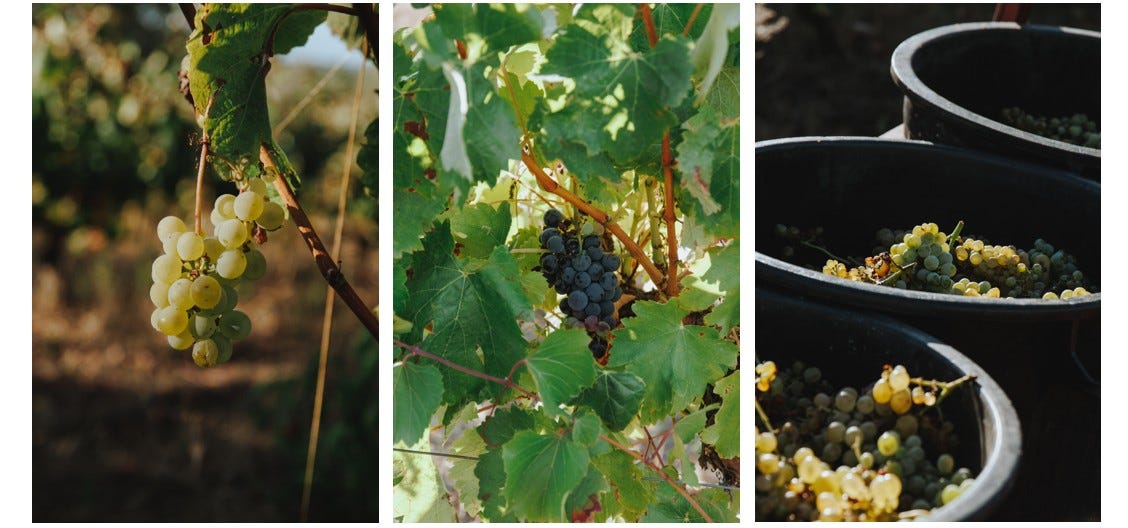
The grapes are harvested by hand before being brought into the winery where they are destemmed, fermented and carefully guided through each stage of production - right in the same room where Paul and I stood.


Francisco’s approach is intentionally restrained. Sustainable methods are practiced in the vineyards and minimal intervention in the winery, although the wines are not certified organic. Given how closely neighboring parcels sit beside one another, they cannot guarantee complete separation from non-organic farming practices nearby. That practical reality seems to fit their philosophy better than a tidy marketing label.


Stainless steel tanks are used to produce all the wines, allowing the grapes and the Tomar sub-region of the Tejo to speak for themselves. Fernão Pires, a traditional white grape variety closely associated with the Tejo region, plays an especially important role. It is versatile, aromatic, and very much part of Margaval’s identity.
Tasting the Wines
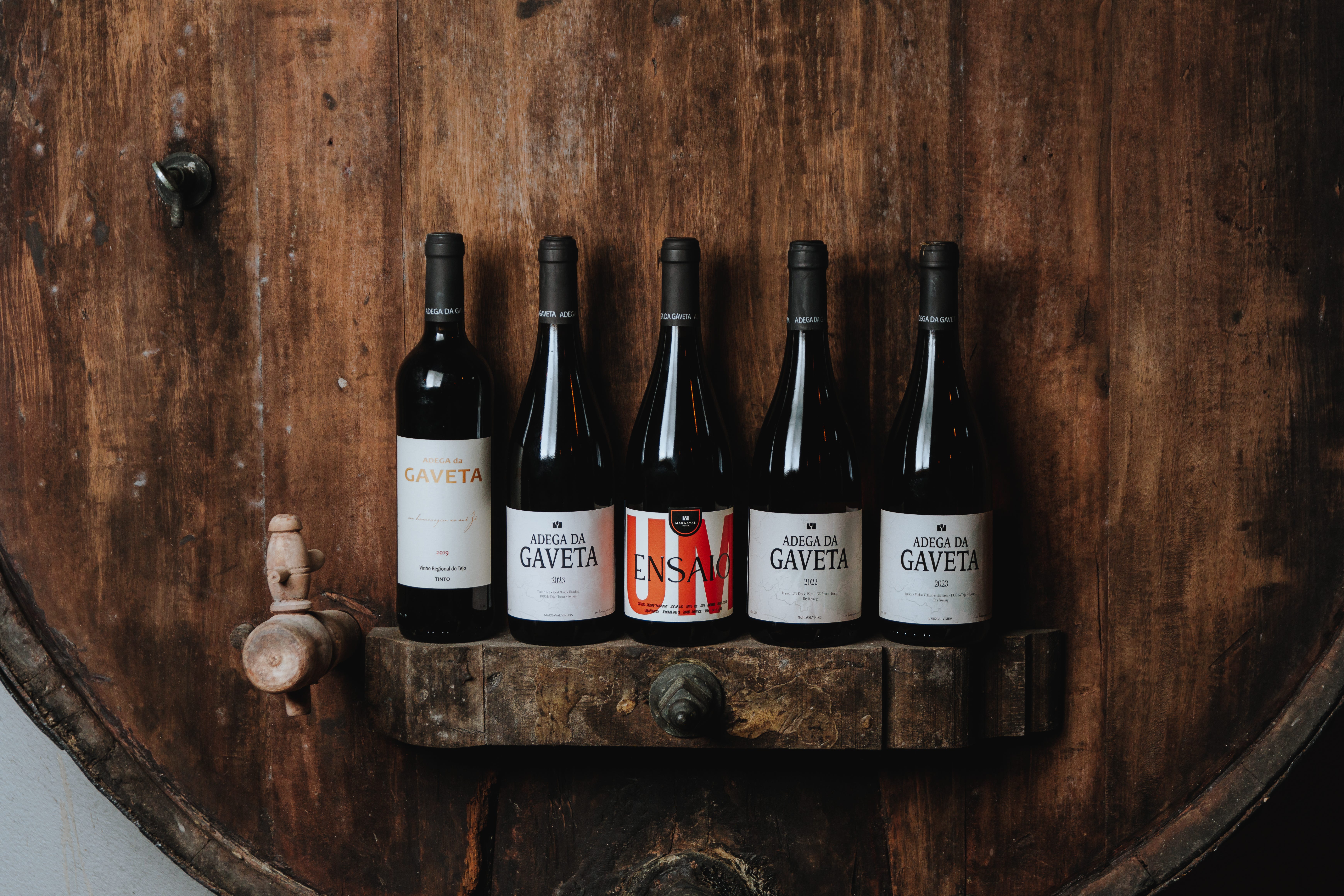
During our visit, we tasted two bottled wines, a red and a white, along with a barrel sample of a rosé that will be released later this year. Our wine tasting was accompanied by fresh bread and locally made goat cheese.


The white, Adega da Gaveta Branco, is a blend pairing the aromatic richness of Fernão Pires with the crisp acidity of Arinto. We found it vibrant, with a delicate floral nose and excellent balance. It would pair well with local cheeses, cured meats, or simply shared and enjoyed with friends on a warm summer afternoon.
The red, ENSAIO Um, is a bright, easygoing wine intended to be enjoyed while it’s young. Early harvesting preserves the grapes’ natural acidity and keeps the alcohol level modest, while a blend of Castelão with a touch of Cabernet Sauvignon delivers lively fruit flavors, gentle tannins, and remarkable freshness. It’s the kind of everyday wine that is equally at home on the dinner table or by the glass, especially when served slightly chilled.
We enjoyed the wines we tasted. But what stayed with me wasn’t a particular vintage or tasting note. It was the realization that every bottle begins with a story carried from one generation to the next.
Before leaving, Paul and I selected a few bottles to take home, both to enjoy ourselves and to share with friends. It somehow seemed fitting. After all, sharing wine around a table was how this story began.
Looking Toward the Future
Today, Maria, whose background is in management, oversees much of the winery’s tourism, sales, and administration while Francisco, whose background is in engineering, continues developing both the vineyards and the wines. Together they are also looking toward the future. Plans are well underway for a small rural wine hotel where guests will be able to stay among the vineyards, enjoy the surrounding countryside and experience life at a slower pace.
As we prepared to leave, I found myself looking once more at that old wooden table.
It would be easy to treat it as an interesting object - a charming piece of family history preserved inside a small winery. But it felt more important to me than that. The table wasn’t there as decoration. It belonged to the story.
The drawer had once held bread, cheese and cured meats for friends who came to share wine and conversation. Years later, that same drawer gave its name to a wine label. And now, in a small working winery on the outskirts of Tomar, it continues to sit among stainless steel tanks, wine bottles and labels, welcoming visitors from places far beyond the village.
As we said goodbye to Maria, it struck me that the tradition hadn’t really changed. The wine is now bottled and labeled, visitors arrive from far beyond Tomar, and the vineyards have grown, but the welcome still feels remarkably personal.
And the drawer remains part of the story.
That may be what I appreciated most about Margaval. It does not feel as if Francisco and Maria are trying to turn Zé’s memory into something frozen in the past. Instead, they are allowing it to become useful again. His vineyard continues. Other small vineyards are being cared for. Wine is being made. Visitors are being welcomed.
If You Visit
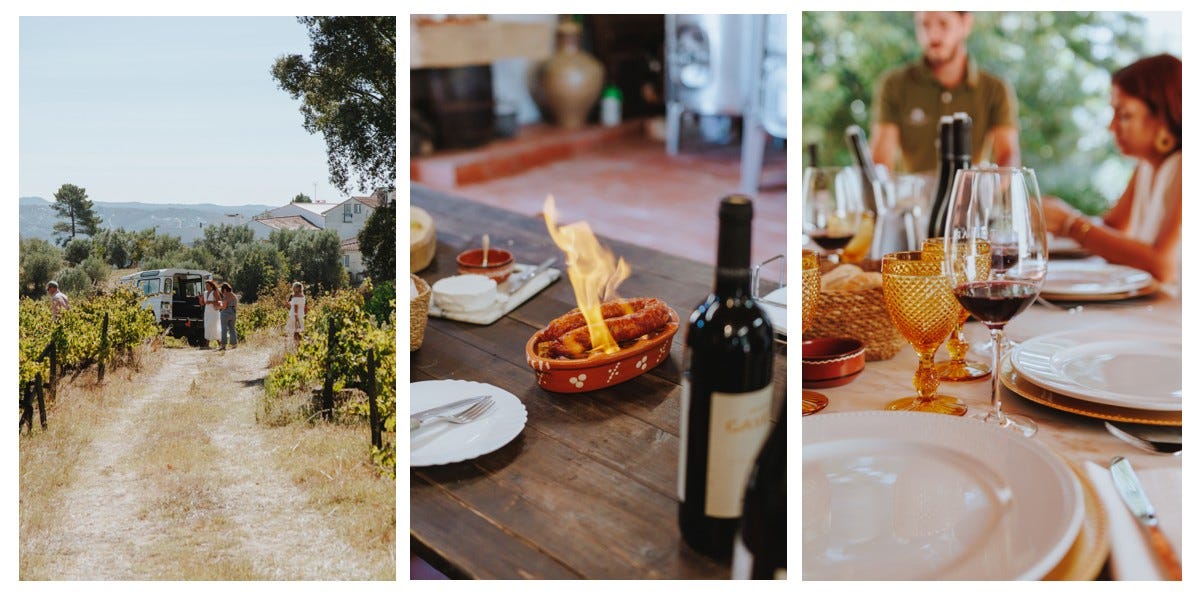
Margaval Vinhos is a family winery located on the rural outskirts of Tomar in Portugal’s Tejo wine region. During your visit, you’ll learn the story behind Adega da Gaveta while tasting a selection of wines that reflect the winery’s growing portfolio.
Visits are by reservation and include a variety of experiences, from guided wine tastings to vineyard tours, including the From the Vineyard to the Table experience, which pairs the winery’s wines with traditional regional foods. Families are welcome, and younger visitors can participate in a fruit juice tasting created especially for children. During harvest season, visitors may also have the opportunity to experience grape picking and see the winemaking process firsthand.
According to Maria, August and September are especially rewarding months to visit, when the harvest is underway and the vineyards are at their busiest.
For more information, visit the Margaval website.
Thanks for being part of Our Portugal Journey.
Every story I publish is free to read, and I hope it always will be.
This publication is made possible through a combination of reader support and carefully selected sponsorships that align with my editorial standards. If you enjoy what you read, you’re warmly invited to become a paid supporting subscriber or buy me a coffee (or a glass of Portuguese wine). Every bit of support helps me continue exploring Portugal, researching stories, and sharing them here.
Whether you read, comment, share an article, or support this work financially, thank you. I’m grateful you’re here.
Until next time…
Obrigada!
Carol.