
Portugal’s Weather: Regions, Seasons, and a Changing Climate
A regional and seasonal overview and how shifting climate patterns are influencing expectations.

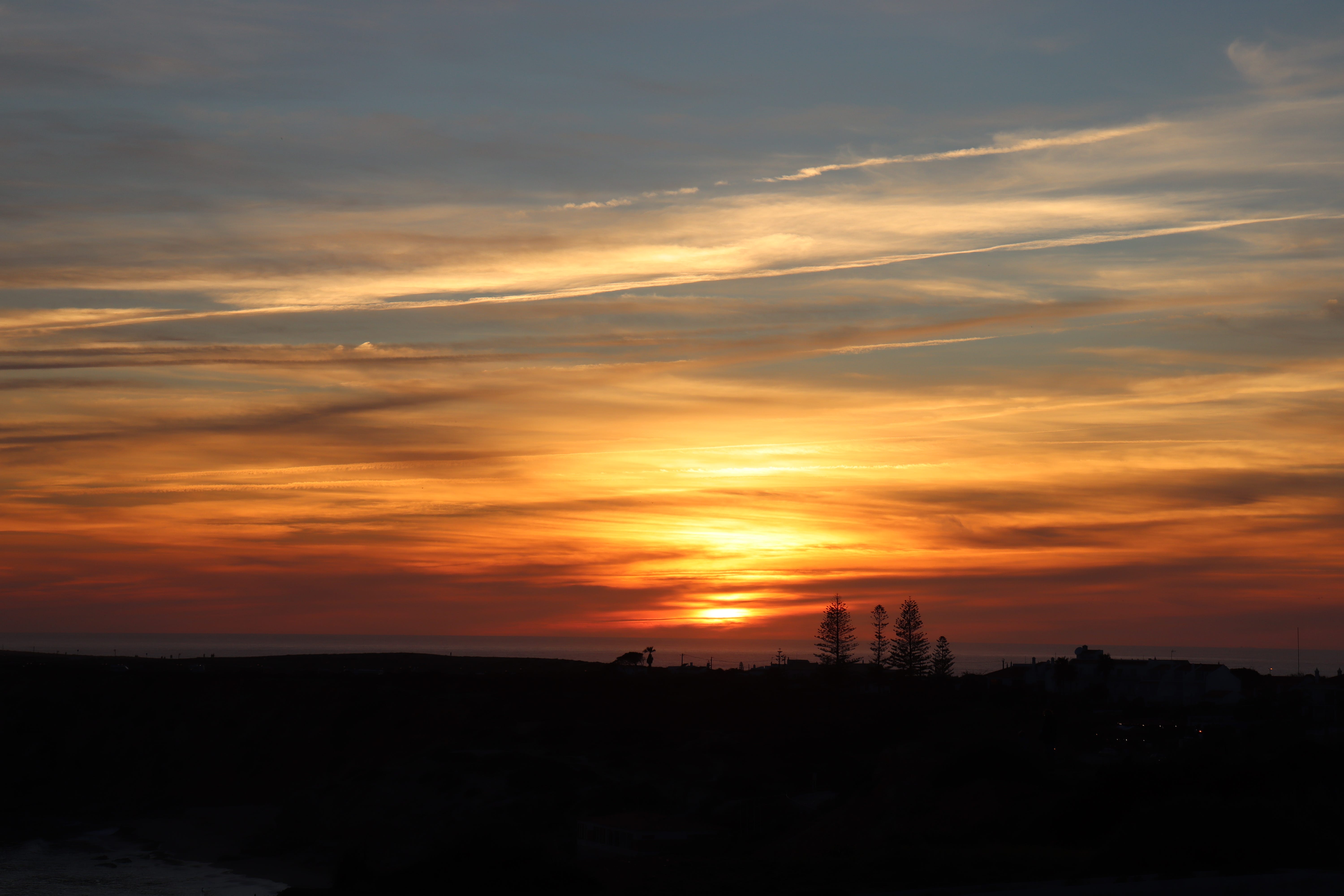
Portugal may look small on a map, but its weather is anything but uniform. Atlantic influences, inland elevation, microclimates, Mediterranean patterns, and increasingly, the effects of climate change all shape how each region experiences the year.
From our own experience, Paul and I have seen this firsthand. In the years we’ve lived here, no two seasons have felt quite the same, each unfolding differently from the one before. A harrowing weather experience in the Algarve that took us by surprise reinforced just how much Portugal’s weather patterns are changing—and how those changes can sometimes have serious consequences.
When I first wrote about Portugal’s weather regions a few years ago, the focus leaned more heavily toward how climate might affect comfort or health. After several years of living through Portugal’s full seasonal cycle, it became clear that many readers were looking first for something simpler: a clear, structured overview of what the weather is actually like across the country. This updated guide reflects that shift.
Important Note: This overview focuses on mainland Portugal. The Azores and Madeira, while part of the country, have distinct Atlantic island climates that differ significantly from mainland weather patterns and are not covered here.
This article provides a high-level overview of Portugal's regional and seasonal weather patterns, along with context about how recent climate shifts are affecting long-standing expectations.
Weather vs. Climate
It helps to distinguish between weather and climate.
Weather refers to day-to-day conditions: rain today, sunshine tomorrow.
Climate refers to long-term patterns measured over decades.
Portugal’s traditional climate classifications still hold. Maritime temperate in the north and Mediterranean in much of the center and south. However, long-term averages are gradually shifting, and variability is becoming more noticeable.
Regional Weather Patterns
Northern Portugal (Porto, Braga, Minho region)
The north is the coolest and wettest part of mainland Portugal due to stronger Atlantic influence.
Typical averages:
Winter daytime highs: roughly 10–14°C (50–57°F)
Summer daytime highs: typically, 23–26°C (73–79°F)
Rainfall is most frequent between October and March, and winters can feel gray and damp compared to southern regions. Summers, however, are generally warm but not excessively hot.
Central Portugal (Lisbon region and surrounding areas)
Central coastal Portugal, including Lisbon, strikes a middle balance.
Typical averages:
Winter daytime highs: about 14–16°C (57–61°F)
Summer daytime highs: often 27–30°C (80–86°F)
Lisbon benefits from coastal breezes that moderate summer heat. Rainfall is lighter than in the north but still concentrated in autumn and winter.
Inland central regions experience greater temperature swings with hotter summers and cooler winter nights.
Southern Portugal (Algarve and Alentejo)
The south is generally the warmest and driest region of mainland Portugal.
Typical averages:
Winter daytime highs: about 15–18°C (59–64°F)
Summer daytime highs: frequently 30°C (86°F) or higher
The Algarve enjoys some of the highest annual sunshine totals in Europe. Rainfall is lower than in northern Portugal, and summers are long and dry.
Interior Regions (across north and south)
Distance from the ocean makes a noticeable difference. Inland areas including parts of Alentejo and interior Beira can see summer temperatures exceed 35°C (95°F), while winter nights may dip significantly lower than coastal norms.
Elevation also plays a role; mountainous areas such as Serra da Estrela can experience snow in winter.
Seasonal Overview
Spring (March–May)
Spring brings gradually warming temperatures and greener landscapes. Rainfall decreases compared to winter, though occasional Atlantic fronts still pass through.
Summer (June–September)
Summers are generally dry and warm across the country. Coastal regions benefit from Atlantic breezes, while interior areas may experience heat waves.
Autumn (October–November)
Autumn marks the return of rain, especially in northern and central regions. Temperatures begin to decline gradually.
Winter (December–February)
Winters remain mild compared to much of northern Europe, but rainfall increases significantly. Coastal storms are not uncommon, particularly in northern Portugal.
Climate Change and Recent Extremes
While these averages provide guidance, they do not guarantee outcomes.
Portugal has experienced measurable warming trends in recent decades, and weather systems have become less predictable. According to data published by the Instituto Português do Mar e da Atmosfera (IPMA), temperature averages have increased, and extreme events have become more frequent.
The winter of 2026 offered a sobering example. Portugal endured unusually intense storms, severe rainfall, and widespread flooding that caused extensive damage across multiple regions. Billions of euros in losses were reported, and infrastructure disruptions affected both urban and rural communities, not to mention storm-related deaths.
Such events illustrate that while Portugal retains its Mediterranean and Atlantic climate foundations, variability is increasing. Warmer air holds more moisture, contributing to heavier rainfall events when storm systems arrive.
Climate reports from organizations such as the European Environment Agency and the Intergovernmental Panel on Climate Change suggest southern Europe is likely to see continued warming, more intense heat waves, and greater precipitation variability in the decades ahead.
Practical Takeaways
For visitors:
Portugal remains generally temperate and pleasant year-round compared to much of Europe. However, expectations should be region-specific.
For prospective residents:
Understanding both regional climate patterns and increasing variability helps inform realistic expectations especially when considering coastal vs. inland living.
For everyone:
Historic averages are helpful, but flexibility is wise. Climate systems are evolving, and recent years have shown that extremes can and do occur.
Portugal’s weather, like the country itself, is shaped by geography, history, and broader global forces. It is neither uniform nor static and understanding those nuances makes living here, visiting here, or simply appreciating the country that much richer.
Further Reading & Official Resources
The following resources are provided for educational purposes only and support further understanding of Portugal’s climate and meteorological data.
Instituto Português do Mar e da Atmosfera (IPMA)
European Environment Agency
World Meteorological Organization
I also find that Safe Communities Portugal is a wonderful resource for weather and other natural disaster information.
For the most current forecasts and regional climate updates, official meteorological sources remain the most reliable reference.
Thanks for being on this Journey with me.
Thank you for reading Our Portugal Journey. This publication is free and open to everyone, and it exists thanks to the support of readers like you.
If this work resonates with you, you’re warmly invited to subscribe - or, if you’d like, to support it as a paid subscriber and help keep it independent.
You can also buy me a coffee (or a glass of wine) anytime right here.
However you choose to support this work, I’m truly grateful you’re here.
Until next time…
Obrigada!
Carol.