
Tipping Culture in Portugal (2026 Edition)
What Travelers and New Residents Need to Know

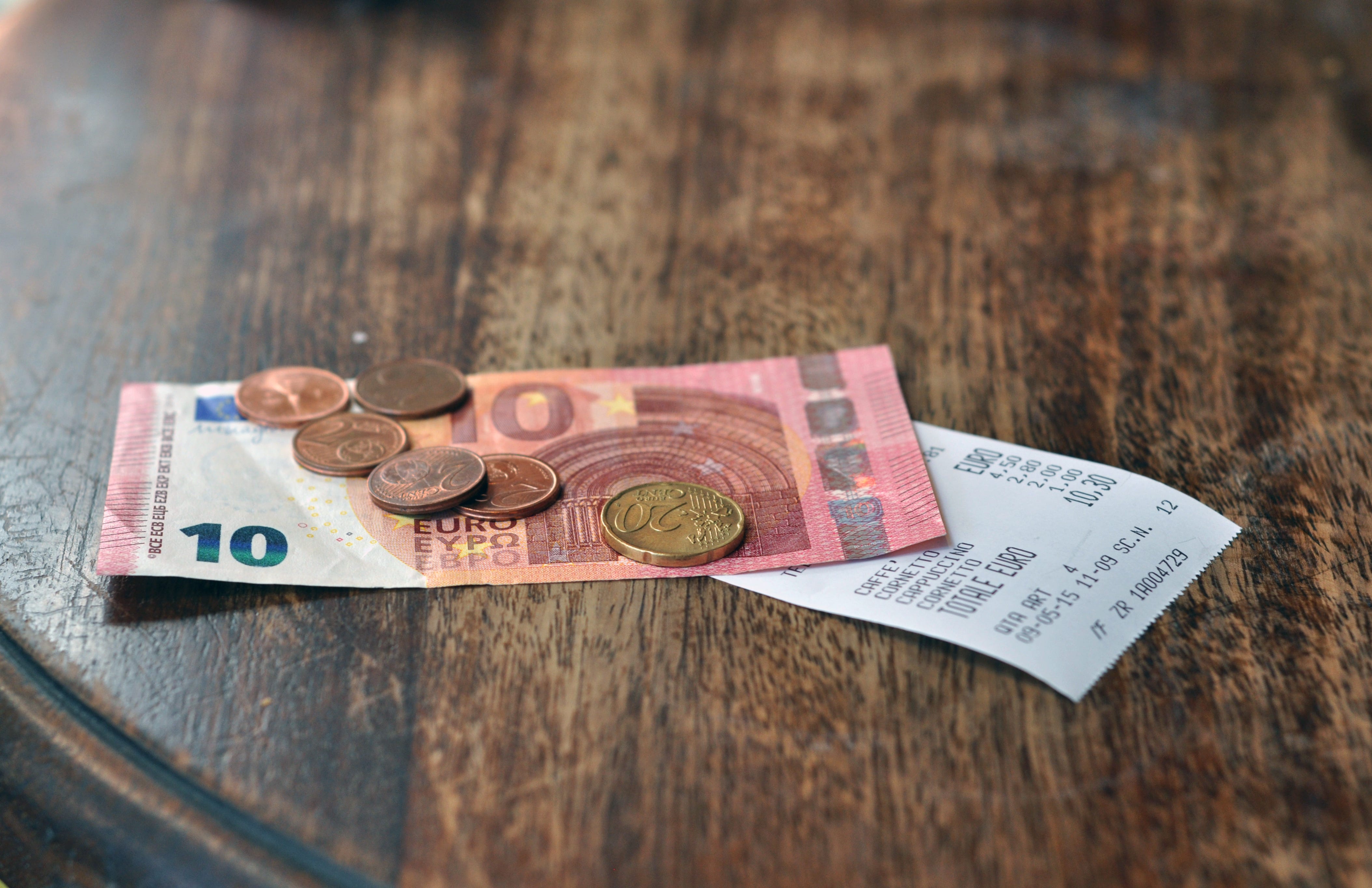
Not long after we arrived in Portugal, we met an older British expat for lunch at a local café. She had lived in the area for more than 30 years and was happy to offer advice about life in Portugal, including its tipping culture.
When it was time to pay the bill, Paul offered to cover her lunch as well. As he left a tip on the table—roughly 20% of the bill, the norm we were accustomed to in the United States at the time—she looked at the coins and said, gently but firmly:
“No. That’s too much. Don’t spoil it for the rest of us.”
She explained that while tipping in Portugal is appreciated, it isn’t expected, and it certainly doesn’t need to be generous by American standards. Leaving some spare change, she said, was usually sufficient.
That moment stayed with us. Not because it felt like a correction, but because it captured something we would come to notice repeatedly in Portugal: tipping here follows a different logic. It’s quieter. Less transactional. More about acknowledgment than obligation.
This article has been updated and expanded from an earlier Our Portugal Journey guide to reflect current practices and what we’ve learned after several years of living in Portugal. What follows is a culturally grounded overview of tipping customs today, shaped by observation, conversations, and, occasionally, getting it wrong ourselves.
Tipping in Portugal: The Big Picture
In Portugal, tipping is appreciated but generally not expected. Leaving no tip is not considered rude, and service charges are not viewed in the same way they often are, for example, in the United States.
Restaurant and café staff in Portugal receive wages that are separate from gratuities, even though salaries in the hospitality sector are often modest by local standards. As a result, tips are typically seen as a gesture of appreciation rather than an essential part of a worker’s income. This is why tipping customs tend to be more restrained and discretionary, and why very large, percentage-based tips can sometimes feel unnecessary or out of step with local norms.
If you’re arriving from a tipping-heavy culture, this may feel awkward at first. It did for us (and sometimes still does). But adapting to local customs is part of being a respectful guest, whether you’re visiting for a week or settling in long-term.
What’s Changed — and What Hasn’t
Portugal has modernized quickly in recent years. Contactless payments are now widespread, card use is common even in smaller towns, and digital payment platforms are part of everyday life.
At the same time, tipping culture itself has changed very little.
In metropolitan and tourist-heavy areas, particularly Lisbon, Porto, and parts of the Algarve, some restaurants now suggest gratuities, usually in the range of 5–10%. This practice is becoming more visible, but it is not universal, and it does not signal a shift toward U.S.-style tipping expectations.
The core norm remains the same: tipping is optional, modest, and situational.
Service Charges vs. Suggested Gratuities: Know the Difference
This is one of the most common points of confusion for visitors and new residents alike.
When a service charge is included
A service charge has been added if you see a clear line item on your bill such as:
Serviço
Serviço incluído
Taxa de serviço
Service charge
If it appears as a line item and is included in the total, it is not optional. In these cases, additional tipping is not expected, though some diners may still choose to round up for exceptional service.
When a gratuity is suggested
A suggested gratuity usually appears as:
A note at the bottom of the bill
A suggested percentage (often 5%, 7.5%, or 10%)
Language such as “gratuity not included” or “if you wish to leave a tip”
Important distinction: suggested gratuities are not included in the total. You must actively add them, and you are free to ignore them entirely.
This practice is more common in upscale or international-facing establishments and is not traditional Portuguese custom.
How to Read Your Bill (and Why It Matters)
Portuguese receipts are often minimalist and of course usually in Portuguese, which can make them confusing.
A few things to keep in mind:
Only itemized line charges are compulsory.
Notes at the bottom of the bill are informational, not binding.
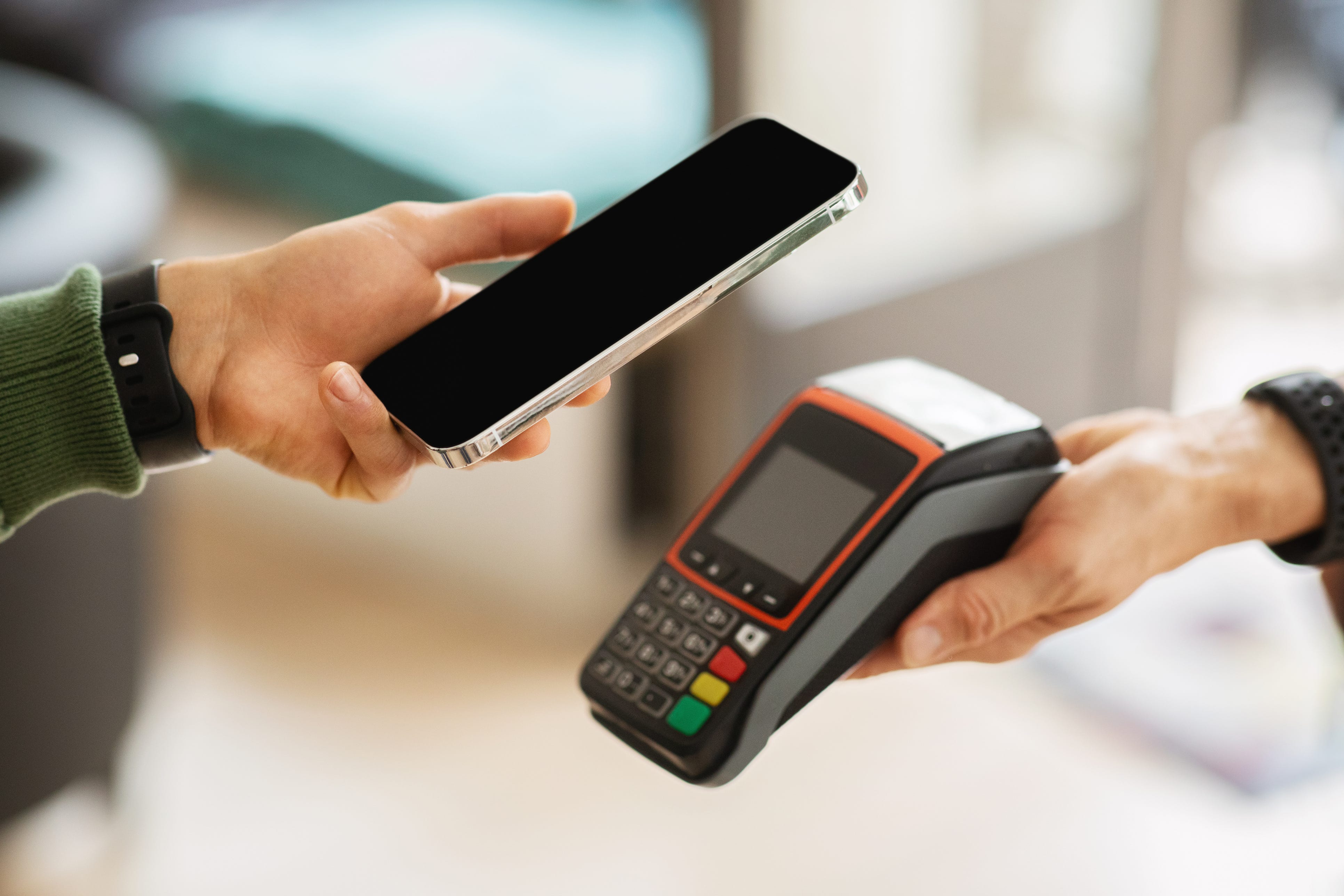
Card terminals may prompt for a tip without explanation.
It’s easy to tip twice if you’re not paying attention.
A simple rule of thumb:
If it’s not clearly itemized, it’s not required.
Is It Okay to Ask? Yes - and You Should
Many people hesitate to ask questions out of politeness. In Portugal, clarity is generally preferred over guesswork.
It is perfectly acceptable to ask:
Whether a service charge is included
Whether the restaurant accepts credit cards
Which cards are accepted (Visa, Mastercard, Amex)
Asking before ordering avoids awkwardness later and is not considered rude or intrusive. It’s practical and common.
Where Tips Actually Go
Even if you leave a cash tip, it is not a guarantee that your individual server will receive it directly. In Portugal, tips are frequently:
Pooled among staff
Distributed by the owner or manager
Shared across the service team
This applies not only to small cafés and family-run restaurants, but also to bars and restaurants in four and five-star hotels.
This system reflects a different service structure. Tipping here is recognition, not control over distribution. If you want to thank someone personally, words often matter as much as money.
Do Servers in Portugal Earn More Than in the U.S.?
This is a common misconception.
Portuguese service workers earn a base wage that does not depend on tips. Gratuities are supplemental, not essential. In the U.S., by contrast, many servers rely heavily on tips to reach a livable income and may earn more overall, but only because of tipping.
The two systems are fundamentally different, which helps explain why tipping in Portugal feels less urgent and less formalized.
A Brief Note on MB Way and Digital Payments
You may occasionally hear or see references to MB Way, a mobile payment system that is widely used in Portugal. Residents use MB Way for everything from splitting restaurant bills to paying small amounts digitally.
Most short-term visitors will not have access to MB Way, but for expats and those living in Portugal, it plays a meaningful role in everyday transactions, including informal payments and, occasionally, tips.
I cover MB Way in detail in a separate article, which I will link here once published.
Practical Tipping Guidelines (Rules of Thumb)
Use these as guidelines, not obligations.
Cafés, kiosks, and pastelarias
Rounding up to the next euro or leaving small change is appreciated but not expected.
Mid-range and upscale restaurants
If no service charge is included, a tip of 5–10% is appreciated for good service. Many locals simply round up.
Bars
Tipping is not customary. Rounding up or leaving small change for attentive service is fine.
Taxis and ride services
Tipping is not expected. Rounding up the fare is common if service is good.
Hotels
Porters: €1 per bag (up to €5 total)
Housekeeping: €1–3 per night, if you choose
Concierge: €1–2 for basic help; more for extensive assistance
Tour guides
Gratuities are more common due to international norms:
Half-day tour: €5–10 per person
Full-day tour: €10–15 per person
Salons and spa services
Not expected. Up to 10% for exceptional service.
What Matters More Than the Amount
In Portugal, tipping is less about percentages and more about relationships.
Returning to the same café. Learning names. Saying thank you. Showing appreciation over time.
These gestures are remembered, often far longer than the amount left on a table.
Portugal Tipping Cheat Sheet (Quick Reference)
Bookmark this section or save this article for quick reference when you’re out and about in Portugal.
Cafés, kiosks & pastelarias
→ Tipping not expected
→ Rounding up or leaving small change is appreciated
Sit-down restaurants
→ Always check your bill first
→ If serviço is included: no additional tip expected
→ If no service charge: 5–10% or rounding up is appreciated
Bars
→ Tipping not customary
→ Rounding up for good service is fine
Taxis & ride services
→ Tipping not expected
→ Rounding up the fare is common for good service
Hotels
→ Porters: €1 per bag (up to €5 total)
→ Housekeeping: €1–3 per night (optional)
→ Concierge: small tip for help; more for extensive assistance
Tour guides
→ Half-day tour: €5–10 per person
→ Full-day tour: €10–15 per person
Important reminders
→ Tips may be pooled, even in hotels
→ Cash tips are appreciated but not guaranteed to go to one person
→ Suggested gratuities are optional
→ It’s okay to ask if service is included
→ It’s okay to ask which credit cards are accepted
When in doubt ask. Clarity is welcome in Portugal.
Final Thoughts: Tipping as Cultural Literacy
Tipping in Portugal isn’t complicated, but it is nuanced.
The key is not memorizing rules, but observing, asking when unsure, and adapting. Whether you’re visiting or building a life here, understanding these small cultural details makes daily interactions easier and more respectful.
Thanks for being on this Journey with me.
Thank you for reading Our Portugal Journey. This publication is free and open to everyone, and it exists thanks to the support of readers like you.
If this work resonates with you, you’re warmly invited to subscribe - or, if you’d like, to support it as a paid subscriber and help keep it independent.
You can also buy me a coffee (or a glass of wine) anytime right here.
However you choose to support this work, I’m truly grateful you’re here.
Until next time…
Obrigada!
Carol.